How Much Does It Cost to Start a Brewery?
If you're thinking about starting a brewery, the first question is usually pretty simple:
How much money do I actually need?
The honest answer is that it depends.
A small brewery in an existing food-production building can be started with a very different budget from a new brewery with a large taproom, a packaging line, and a completely renovated facility.
As a practical planning range, a small-to-medium brewery project may require roughly $200,000 to $1.2 million in total startup capital. A brewery with a relatively simple setup may come in below this range, while a larger production brewery or a brewery with a substantial restaurant and taproom can go considerably higher.
The important thing is not to focus only on the price of the brewing system.
A $60,000 or $70,000 brewhouse does not mean you can open a brewery for $70,000.
You still need a building, utilities, fermentation capacity, licenses, ingredients, labor, packaging, insurance and enough cash to keep the business running while sales are getting started.
Brewery Startup Cost at a Glance
Here is a practical way to think about the initial budget:
| Startup expense | Approximate planning range |
|---|---|
| Brewing equipment | $40,000–$160,000+ |
| Facility lease and build-out | $64,000–$240,000+ |
| Packaging equipment | $16,000–$120,000+ |
| Licenses and permits | $1,600–$8,000+ |
| Initial ingredients and supplies | $4,000–$12,000 |
| Kegs and serving equipment | $4,000–$16,000 |
| Insurance | $4,000–$12,000/year |
| Initial marketing | $4,000–$16,000+ |
| Working capital | $40,000–$120,000+ |
These numbers are planning estimates rather than fixed market prices. Your actual cost will depend heavily on where the brewery is located, the condition of the building, the size of the brewing system and whether you operate a taproom.
One thing I would strongly recommend: keep some money in reserve.
It is very easy to spend your entire budget on stainless steel because shiny tanks look like progress. They are. But they don't pay the first month's rent.
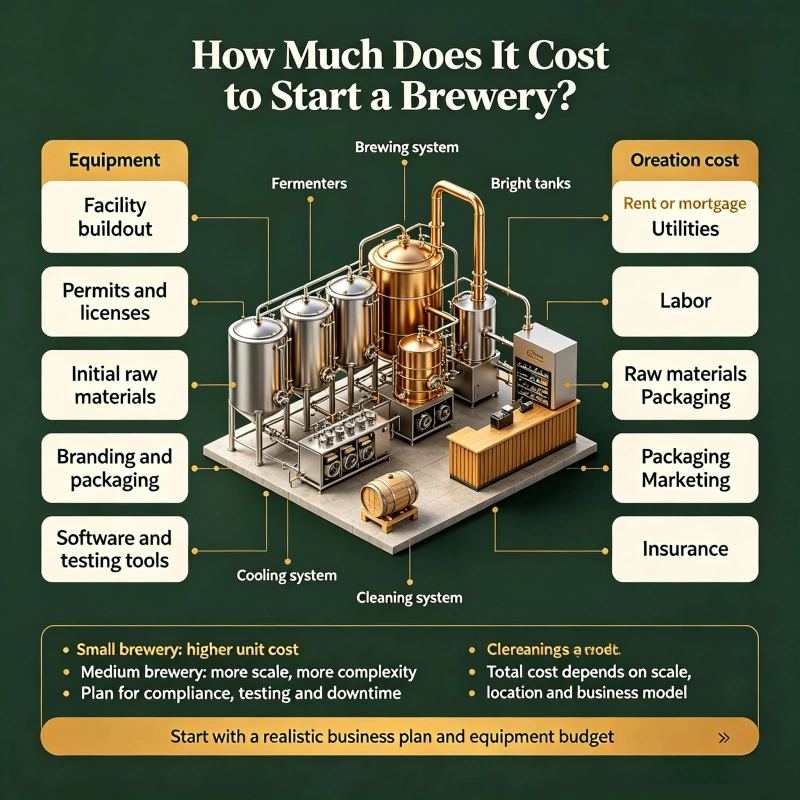
What Is the Biggest Cost When Starting a Brewery?
There isn't always one single biggest expense.
For many new breweries, the three areas that consume the most money are:
Brewing and fermentation equipment
Building and utility work
Working capital
The building is particularly important.
If you rent an existing brewery or food-production facility with suitable drainage, water, electrical service and ventilation, your construction costs may be much lower.
If you start with an empty industrial building, the situation changes quickly.
You may need:
Three-phase electrical service
Water supply
Floor drains
Plumbing
Wastewater treatment
Ventilation
Flooring
Lighting
Cold storage
Fire protection
Gas or steam connections
Taproom construction
This is why two breweries with exactly the same 1000L brewing system can have completely different startup budgets.
The equipment may cost roughly the same.
The building certainly won't.
How Much Does Brewery Equipment Cost?
Brewery equipment prices depend on several things:
Brewhouse capacity
Number of fermentation tanks
Tank volume
Heating method
Automation level
Stainless steel specifications
Glycol cooling capacity
CIP configuration
Packaging equipment
Customization
Shipping and installation
As a general manufacturer-side planning range:
| Brewery scale | Approximate equipment investment |
|---|---|
| 100–300L pilot brewery | $12,000–$28,000 |
| 500–1,000L microbrewery | $32,000–$64,000+ |
| 2,000–3,000L commercial system | $80,000–$144,000+ |
| 5,000L+ brewery | $160,000+ |
These numbers should be treated as a starting point, not a formal quotation.
A 1000L brewery with two fermenters and basic controls will obviously cost less than a 1000L system with six fermenters, bright beer tanks, automatic controls and a complete canning line.
When comparing suppliers, make sure you are comparing the same scope of supply.
One supplier may quote only the brewhouse.
Another may include the brewhouse, fermenters, glycol system, CIP, pumps, control panel and piping.
The second quotation will naturally look more expensive, but it may actually be the better comparison.
How Much Does a 1000L Microbrewery Cost to Start?
A 1000L brewery is a popular size for businesses that have moved beyond pilot production but don't need a large industrial brewery.
A typical system might include:
1000L mash/lauter tank
1000L boiling tank
Whirlpool
Hot liquor tank
3–6 fermentation tanks
Bright beer tank
Glycol chiller
Wort cooler
Brewing pumps
CIP system
Sanitary piping
Control panel
Depending on the configuration, a 1000L brewery equipment package may be around $52,000–$68,000 as a manufacturer-side reference range.
A more basic configuration can be lower, while a highly customized or automated system can be higher.
But again, this is the equipment cost.
If you're actually opening a brewery, you also need to budget for the building, installation, utilities, permits, initial raw materials and working capital.
A Simple 1000L Example
Imagine you have:
1000L brewhouse + 4 × 1000L fermenters + glycol cooling + CIP
You might have enough brewing capacity for a small commercial brewery or brewpub.
If sales increase, you could add more fermenters without immediately replacing the brewhouse.
That is one reason I generally recommend thinking about future expansion before ordering the first tank.
You don't need to buy everything on day one.
But you do want to make sure the first installation doesn't make future expansion unnecessarily difficult.
How Much Does a Brewery Building Cost?
The building can be surprisingly expensive.
Suppose you find a relatively cheap industrial building. That sounds great.
Then you discover it needs:
New drainage
New electrical service
New water lines
Reinforced floors
Ventilation
Gas connections
Cold storage
Restrooms
Fire protection
Taproom construction
Suddenly, the “cheap” building isn't so cheap.
For planning purposes, a brewery facility and build-out can easily require $64,000–$240,000 or more, depending on the building and business model.
A production-only brewery generally needs less customer-facing construction than a brewery with a restaurant-style taproom.
Before signing a long-term lease, check the building carefully.
At minimum, confirm:
Electrical capacity
Water pressure and supply
Drainage
Ceiling height
Floor loading
Ventilation options
Wastewater requirements
Gas availability
Local zoning
Truck access
Equipment installation access
A brewery tank can be beautifully designed.
Getting it through a door that is 10 cm too narrow is still a problem.
How Much Do Brewery Licenses and Permits Cost?
Licensing depends on your country, state and city.
For a U.S. brewery, federal requirements are handled by the Alcohol and Tobacco Tax and Trade Bureau (TTB). TTB states that there is no federal fee for obtaining a Brewer's Notice, although other regulatory and operating costs still apply.
You may also need:
State brewery license
Local business license
Zoning approval
Building permits
Fire inspection
Wastewater approval
Retail license
Food-service permits
Taproom-related licenses
A reasonable preliminary budget for licensing and professional fees might be around $1,600–$8,000+, but this can vary considerably by location and the type of operation.
Don't use a friend's brewery license cost as your own budget.
Different states and cities can have very different requirements.
How Much Working Capital Does a New Brewery Need?
This is the part that new brewery owners sometimes underestimate.
You may have finished the installation, passed inspections and brewed your first batch.
Great.
But your business still has bills.
For example:
Rent
Payroll
Utilities
Malt
Hops
Yeast
Packaging
Insurance
Maintenance
Marketing
Distribution
Loan payments
For a small-to-medium brewery, keeping approximately $40,000–$120,000 or more available as working capital can provide a much healthier starting position.
The exact amount depends on your monthly expenses and how quickly you expect revenue to build.
If your brewery needs $15,000 per month just to cover basic operating expenses, having only $20,000 in reserve is obviously risky.
The brewery may look finished, but financially you're still standing on one leg.
Brewery Startup Cost by Business Model
Not every brewery is built for the same purpose.
Small Brewpub
A brewpub produces beer mainly for customers drinking at the location.
The equipment may include:
Small brewhouse
Fermentation tanks
Bright beer tanks
Glycol system
Kegs
Draft system
But you'll also need:
Restaurant equipment
Kitchen
Furniture
Bar
POS system
Customer seating
Restrooms
Interior renovation
So the brewing equipment may not be your biggest expense.
The restaurant side can easily take a large part of the budget.
Production Microbrewery
A production brewery focuses more on selling beer outside the brewery.
You may need:
Larger fermentation capacity
Bright beer tanks
Keg filling
Keg washing
Can filling
Bottle filling
Labeling
Cold storage
Distribution equipment
Here, production capacity and packaging become much more important.
Taproom Brewery
A taproom brewery combines manufacturing with direct retail sales.
You are essentially building two businesses:
A brewery + a hospitality operation
That can create additional revenue opportunities, but it also increases the initial investment.
How Many Fermenters Should a New Brewery Buy?
This depends on your brewing schedule.
Suppose you have a 1000L brewhouse.
If you brew three times per week, you don't want your production to stop simply because all your fermenters are occupied.
For example:
1000L brewhouse
plus
4 × 1000L fermenters
gives you four batches of fermentation capacity.
If the average fermentation and maturation cycle takes around two weeks, your production schedule needs to be planned around that capacity.
You could later add two or four more fermenters as demand increases.
This is usually more sensible than buying a massive number of tanks before you know whether the market actually wants your beer.
What Brewery Equipment Do You Actually Need?
A basic commercial brewery normally includes several sections.
Brewhouse
Mash tank
Lauter tank
Brew kettle
Whirlpool
Hot liquor tank
Fermentation
Fermentation tanks
Bright beer tanks
Glycol cooling
Temperature controls
Cleaning and transfer
CIP system
Wort pumps
Beer pumps
Sanitary piping
Valves
Fittings
Utilities
Chiller
Hot water system
Steam generator or electric heating
Water treatment
Compressed air where required
Packaging
Depending on your sales model:
Keg filler
Bottle filler
Can filler
Labeling machine
Keg washer
You don't necessarily need every machine on day one.
If your initial business is focused on draft beer sold through your own taproom, investing heavily in a sophisticated canning line may not make financial sense.
How Can You Reduce Brewery Startup Costs?
There are several practical ways to keep the first investment under control.
1. Choose the right brewery size
Don't buy a 5000L system because it looks impressive if your sales plan only requires 1000L batches.
Start with the production capacity your market can realistically support.
2. Add fermenters later
Fermentation capacity is relatively easy to expand compared with replacing an entire brewhouse.
Leave room for future tanks.
3. Consider semi-automatic controls
Full automation is useful, but it isn't always necessary for a new microbrewery.
A semi-automatic system can provide good process control while keeping the initial investment more manageable.
4. Don't overbuild the packaging line
If your initial business is keg-focused, start with kegging.
Add cans or bottles when there is a clear business reason to do so.
5. Choose the building carefully
This can save more money than negotiating another few thousand dollars off the brewing equipment.
An existing food or beverage facility may already have much of the infrastructure you need.
6. Buy equipment based on total value
The cheapest quotation isn't necessarily the cheapest brewery.
Look at:
Equipment quality
Tank design
Warranty
Spare parts
Technical support
Installation
Shipping
Energy consumption
Expected service life
A low equipment price is not a bargain if the brewery spends its first year waiting for replacement parts.
What Should I Ask a Brewery Equipment Manufacturer?
When contacting a brewery equipment manufacturer, don't simply send:
“Please quote 1000L brewery.”
That usually isn't enough information.
Give the supplier:
Target batch size
Expected annual production
Beer styles
Number of brewing days per week
Fermentation time
Number of fermenters
Heating method
Local voltage and frequency
Available floor space
Automation requirements
Packaging method
Future expansion plans
Then ask for:
Complete equipment list
Tank specifications
Stainless steel grade
Tank dimensions
Brewery layout
Utility requirements
Electrical load
Cooling capacity
Installation scope
Warranty
Spare parts
Delivery schedule
Shipping terms
This makes quotations much easier to compare.
Is a 1000L Brewery a Good Starting Point?
A 1000L brewery can make sense for several types of businesses:
New microbreweries
Brewpubs
Restaurants
Hotels
Resorts
Independent craft beer brands
Small commercial breweries
The biggest advantage is flexibility.
You have enough capacity for commercial production, but you are not jumping immediately into a large industrial system.
A properly designed 1000L brewery can also grow with the business.
You might start with four fermenters and later move to six, eight or more.
That is often a more sensible investment strategy than buying every possible piece of equipment before your first customer walks through the door.
Example: A 1000L Brewery Startup Budget
Here is a simple example of how a new brewery might allocate its money:
| Category | Example budget |
|---|---|
| 1000L brewing & fermentation equipment | $52,000–$68,000 |
| Building & utility improvements | $64,000–$160,000 |
| Packaging and kegs | $12,000–$40,000 |
| Licenses & professional fees | $4,000–$12,000 |
| Initial raw materials | $4,000–$12,000 |
| Taproom/furniture | $24,000–$80,000 |
| Insurance & pre-opening costs | $4,000–$12,000 |
| Working capital | $40,000–$120,000 |
| Illustrative total | $204,000–$504,000 |
This is an illustrative budget, not a guaranteed project quotation.
The biggest variable is usually the building.
If you already have a suitable facility, the total startup investment could be much lower.
If you need extensive construction and a large taproom, it could be considerably higher.
Can You Start a Brewery With $200,000?
It is possible for a carefully planned small operation, particularly if you already have a suitable building or use an existing facility with much of the infrastructure in place.
But $200,000 should not be treated as a universal minimum.
A realistic budget needs to cover both equipment and cash flow.
For example, spending $150,000 on equipment and having only $50,000 left for construction, licensing, ingredients and working capital may leave the brewery short of cash before it reaches stable sales.
Sometimes the smarter approach is to buy a slightly smaller brewery and keep more cash in reserve.
Can I Start a Brewery With Used Equipment?
Used equipment can reduce the initial capital requirement, but it needs careful inspection.
Before buying used tanks, check:
Tank age
Stainless steel grade
Weld quality
Pressure rating
Cooling jackets
Insulation
Valves
Pumps
Control system
Electrical components
Previous maintenance
Availability of replacement parts
Also check whether the equipment physically fits your building.
A used tank may be cheap because someone else no longer needs it.
That doesn't automatically mean it is suitable for your brewery.
How Long Does It Take to Start a Brewery?
There isn't one standard timeline.
The project may involve:
Business planning → building selection → licensing → equipment design → manufacturing → shipping → installation → commissioning → test brewing → commercial production
Equipment manufacturing itself may take several weeks or longer depending on the system and customization.
The building and licensing process can take much longer.
This is why it is a good idea to begin equipment planning only after you understand your building, utility conditions and local regulations.
What Is the Most Important Thing to Budget for?
If I had to simplify the entire calculation, I would divide the money into four buckets:
1. Equipment
Brewhouse, fermenters, bright tanks, glycol, CIP, pumps and packaging.
2. Facility
Rent, deposit, construction, plumbing, electrical, drainage, ventilation and cold storage.
3. Pre-opening costs
Licenses, insurance, ingredients, branding, marketing, professional services and staff training.
4. Working capital
Enough cash to pay the bills while the brewery is building sales.
That fourth bucket is easy to ignore because you cannot take a photograph of it.
But financially, it may be one of the most important parts of the project.
Final Thoughts: How Much Does It Really Cost to Start a Brewery?
For a small-to-medium brewery, a reasonable initial planning range is approximately $200,000–$1.2 million, depending on the business model and facility.
For a smaller 500L–1000L microbrewery, the brewing equipment itself may be around $32,000–$64,000+, while a more complete 1000L equipment package can fall around $52,000–$68,000 depending on the configuration.
But don't confuse equipment cost with startup cost.
A brewery is not just a collection of stainless-steel tanks.
You are building a production facility, a brand, a sales channel and a business that needs enough cash to survive its early months.
If you're currently planning a 1000L, 2000L or 3000L brewery, the most useful next step is to calculate the project from the production side:
Target annual output → batch size → number of brews → fermenter capacity → cooling capacity → packaging → building → working capital.
Once those numbers are clear, choosing the equipment becomes much easier.
And that's usually a better way to start a brewery than simply asking, “How much is a brewing system?”
Products
- Beer brewery equipment
- Craft brewing equipment
- Home brewing equipment
- Microbrewery equipment
- Commercial brewing equipment
- Industrial brewery equipment
- Pilot brewing system
- Brewhouse & Mash system
- Fermentation tank
- Bright / Brite tank
- CIP system
- Beer filling machine
- Pasteurizer
- Hop gun
- Yeast propagation equipment
- Beer concentration equipment
- Carlsberg flask
- Reverse osmosis water filtration systems
- Mobile water treatment systems
- Water Purification Equipment
- WFI equipment
- Purified water tank
- CIP system
- Multi effect water distiller
- Pure steam generator
- WFI tank
- Solution preparation tank
- Tube heat exchanger
- Storage and distribution system
- Liquid preparation system
- Demineralized water system
- Vapour compressor
News & Exhibitions
- How Much Does It Cost to Start a Brewery?
- Why Beer Concentration Matters: Unpacking the Standard ABV Range
- Why Every Craft Brewer Needs a Pilot Beer Brewing System
- Top 5 Benefits of Using a Pilot Beer Brewing System for Small Breweries
- Setting Up a Microbrewery? Why Turnkey Equipment Might Be Right for You
- How Nano Brewery Equipment is Changing Experimental Brewing: A Deep Dive into Small-Scale Innovation
- Essential Craft Beer Equipment for Starting Your Brewery
- Integrating Smart Equipment into Your Microbrewery
TAGS
- turkey brewery equipment
- small beer brewery equipment,mini beer brewery equ
- Nano brewery equipment, brewing systems manufactur
- brewing equipment manufacturers uk,home brewing eq
- craft brewery equipment for sale, craft beer equip
- home brewing distillation equipment
- sovereign stainless steel fermenter
- complete brewery for sale
- beer brewing equipment
- 15 gallon jacketed fermenter
- automatically brew equipment,50L Brewing equipment
- mixing tank manufacturers
- dry hops addition
- hops addition gun
- pilot brewing system
- hop additive gun
- Craft beer making equipment for Malaysia
- Microbrewery machine
- CIP system
- professional Cleaning in place equipment
Newest Products
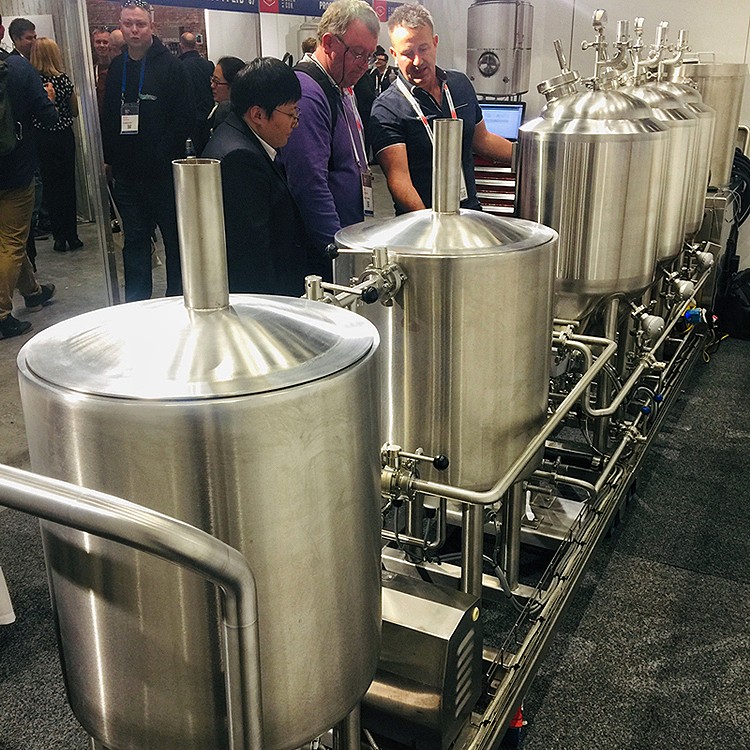
Marketplace home & living lifestyle home brewing d...
The home brewing and distilling market has grown in popularity in recent years, ...
More >>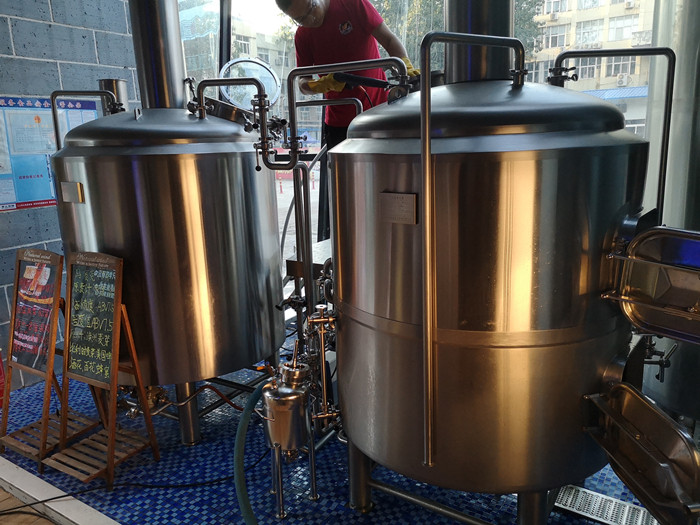
Beer brewhouse and fermentation tanks microbrewery
WEMAC-Main product categories:
Craft Beer equipment,Cider making machine,Beer b...
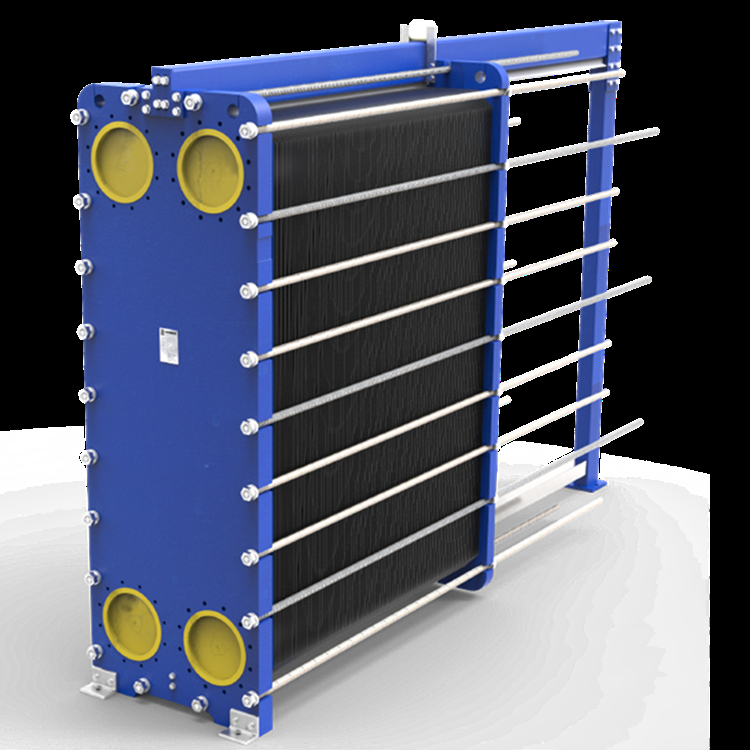
Best plate heat exchanger for beer brewery
The WEMAC plate heat exchanger (PHE) series is extensive, including multiple typ...
More >>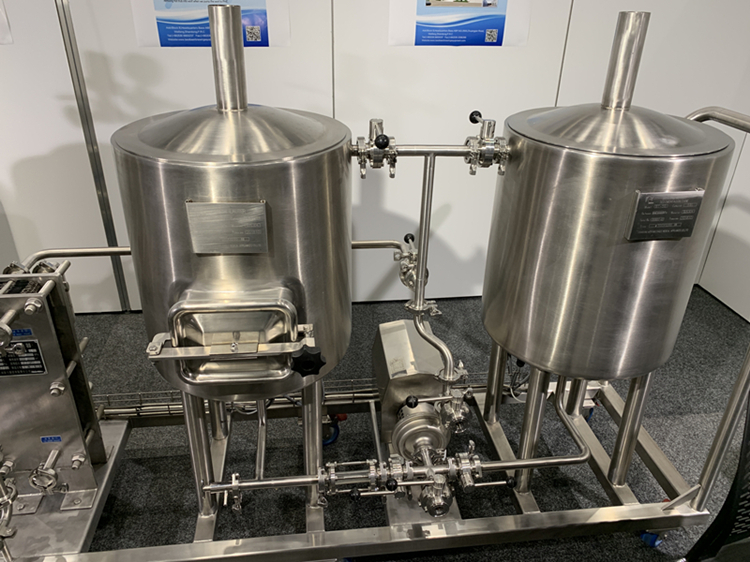
Home beer brew kits brewery equipment
This skid home brewing system is designed for craft brewing amateurs who has bee...
More >>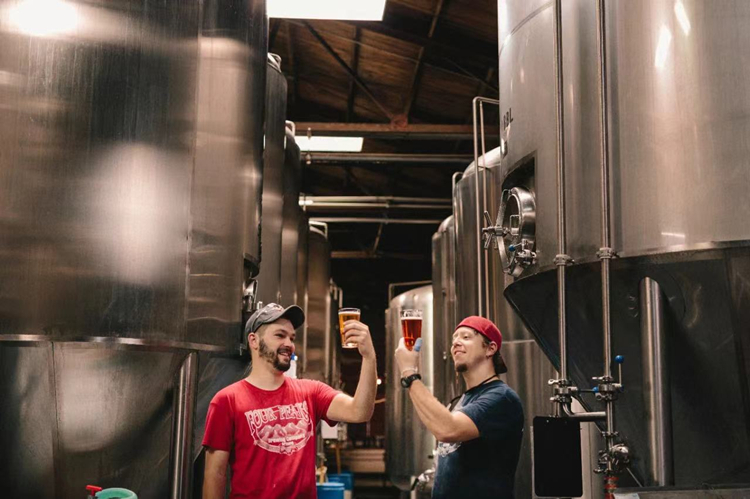
Top quality fermenter and beer bright tank
Brite or Bright Beer Tanks are also known as Beer Conditioning Tanks or Beer Ser...
More >>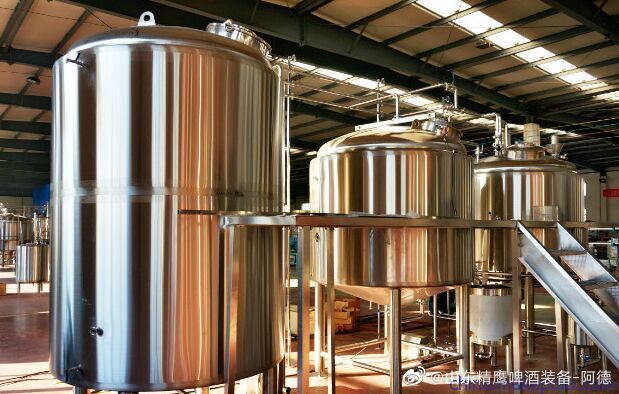
Pro two vessels 5BBL craft brewery in Michigan
Professional beer brewhouse sale well in Michigan state,turnkey brewery services...
More >>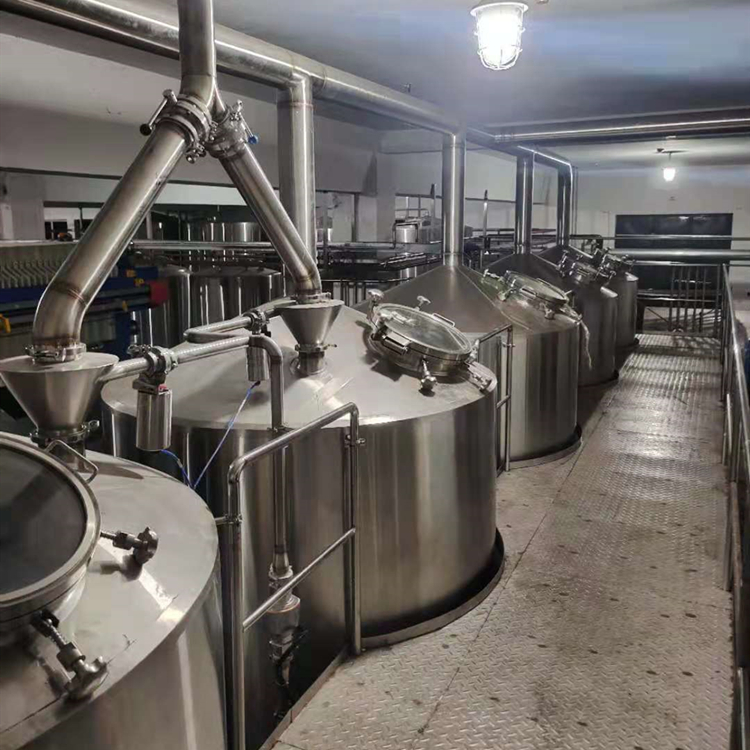
4000L Commercial Beer Brewery Equipment
4000L four vessels craft beer brewing brewery system,gas steam heating,with a be...
More >>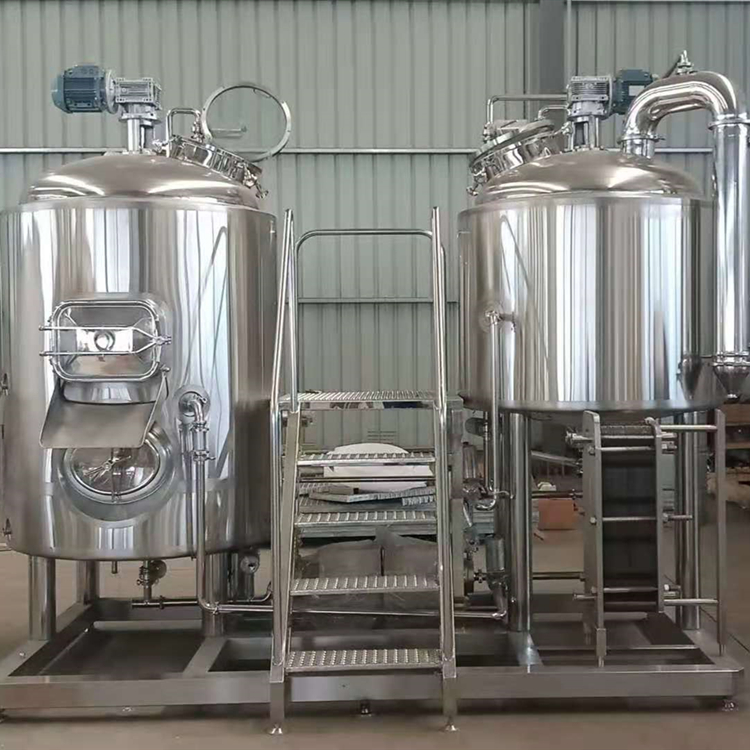
500L Top quality craft beer brewery equipment
Double vessels craft beer brewing brewhouse for sale,mash/kettle tun + lauter/wh...
More >>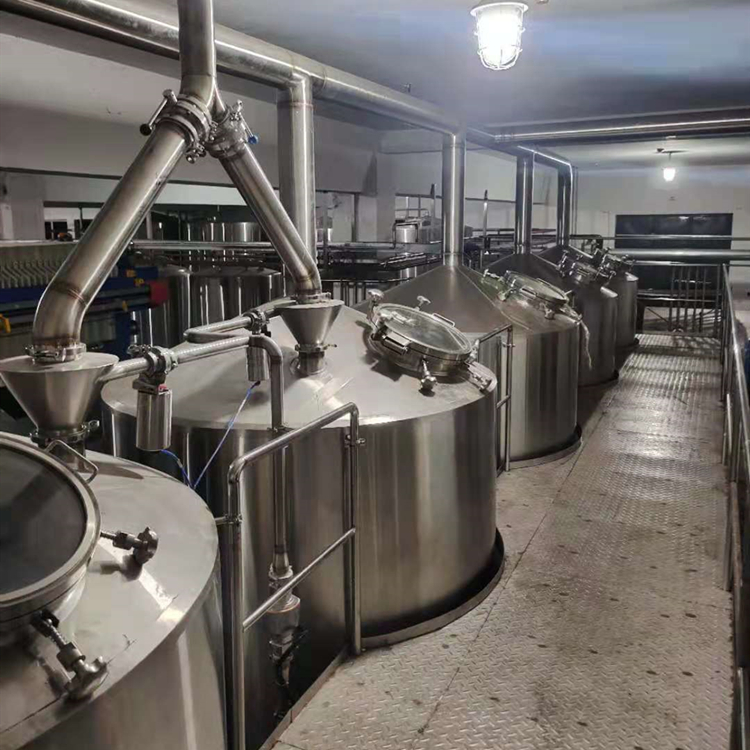
4000L Five vessels turnkey beer brewery
Five vessels craft beer brewhouse system suppliers,Double mash tun+double kettle...
More >>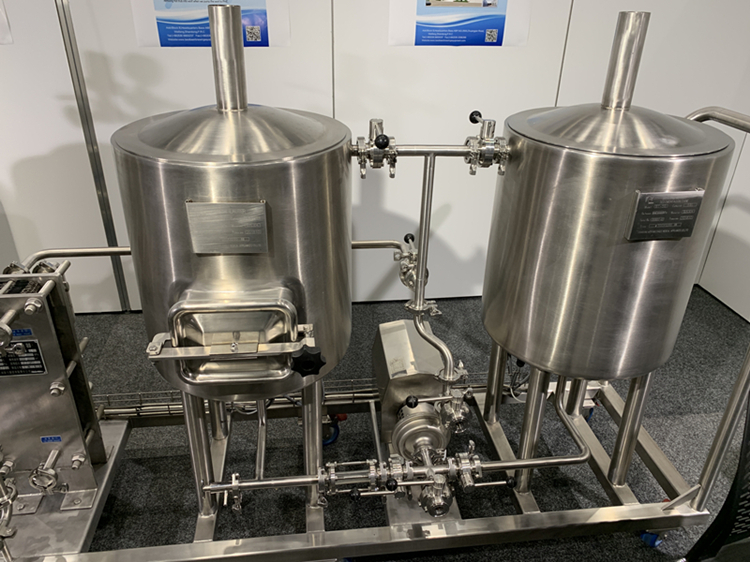
Best 50L home beer microbrewery equipment
Two vessels combination,mash/lauter tun+kettle/whirlpool tun brewery.electric co...
More >>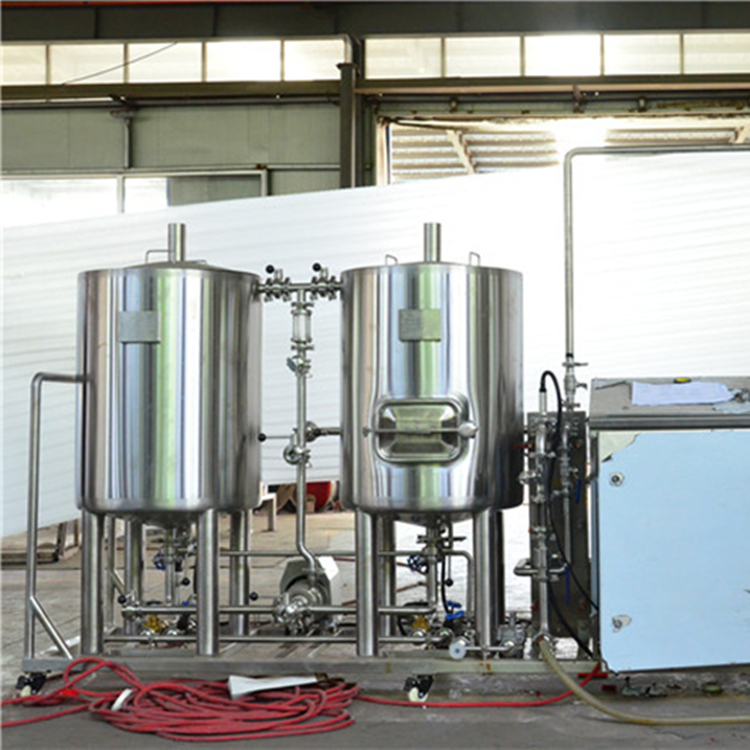
100L beer brewing home microbrewery
Mash/lauter/kettle tun+whirlpool tun,electric coil heating,two stages cooling,pl...
More >>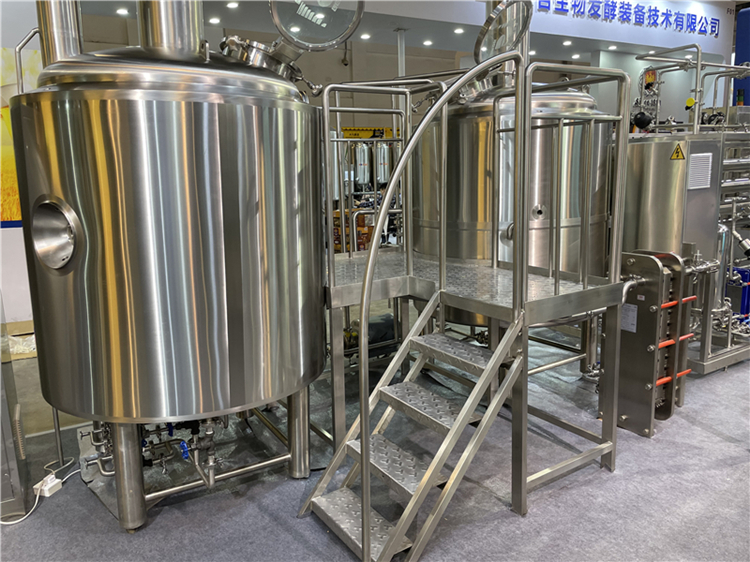
Build me a 1500L beer brewery
mini beer brewery machine from 50L,which is suitable to use in home and family b...
More >>